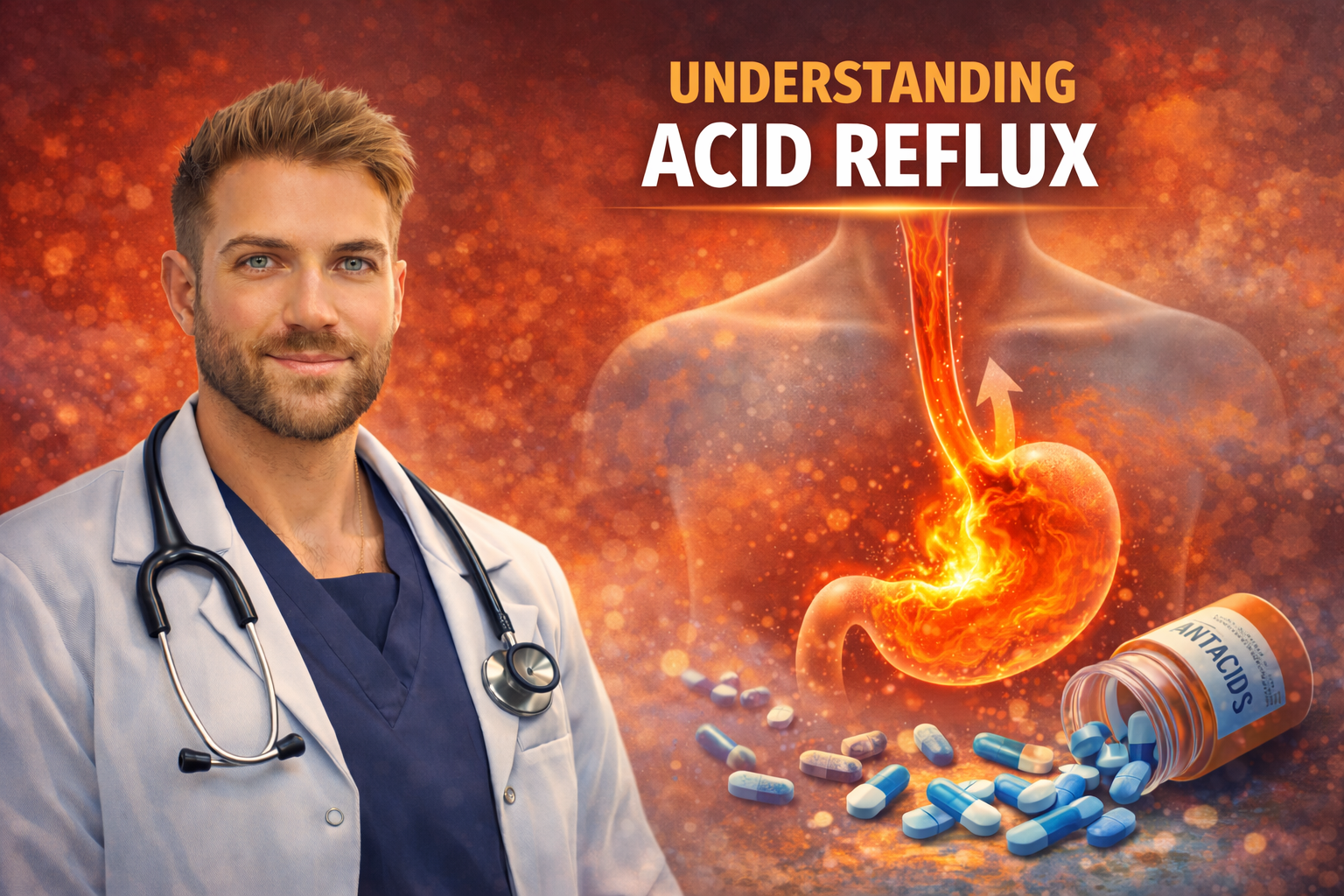
Gastroesophageal Reflux Disease (GERD): A Patient Guide
This comprehensive patient guide presents gastroesophageal reflux disease in an accessible format for English-speaking patients. GERD is a very common condition affecting 15-25% of adults in developed countries, caused by dysfunction of the lower esophageal sphincter that allows stomach acid to flow backward into the esophagus.
Lifestyle modifications form the foundation of treatment, with strong evidence supporting weight loss, head of bed elevation, and avoiding late meals. Proton pump inhibitors (PPIs) are the most effective medications, healing esophagitis in approximately 84% of patients and relieving symptoms in 70-80% of cases. While concerns have been raised about long-term PPI use, current evidence does not justify stopping necessary treatment.
Surgical anti-reflux procedures can be considered for carefully selected patients, though more than 25% resume PPIs long-term. The overall prognosis is good, with most patients responding well to medical management.